
It's Thursday October 15, 2026
News From The Village Updated Almost Daily
March 23, 2026
TownDock ran a cover photo of pine tree pollen on March 23. It inspired Oriental resident, arborist and former Tree Board leader Bob Miller to write in. Bob shares a few things about loblolly pines and pollen that we didn’t know.
Local pines are wind pollinated, including loblolly, by producing two kinds of reproduction cones, male cones that make pollen (see photo below) and female cones that are smaller, oval in shape, and lower on the tree.
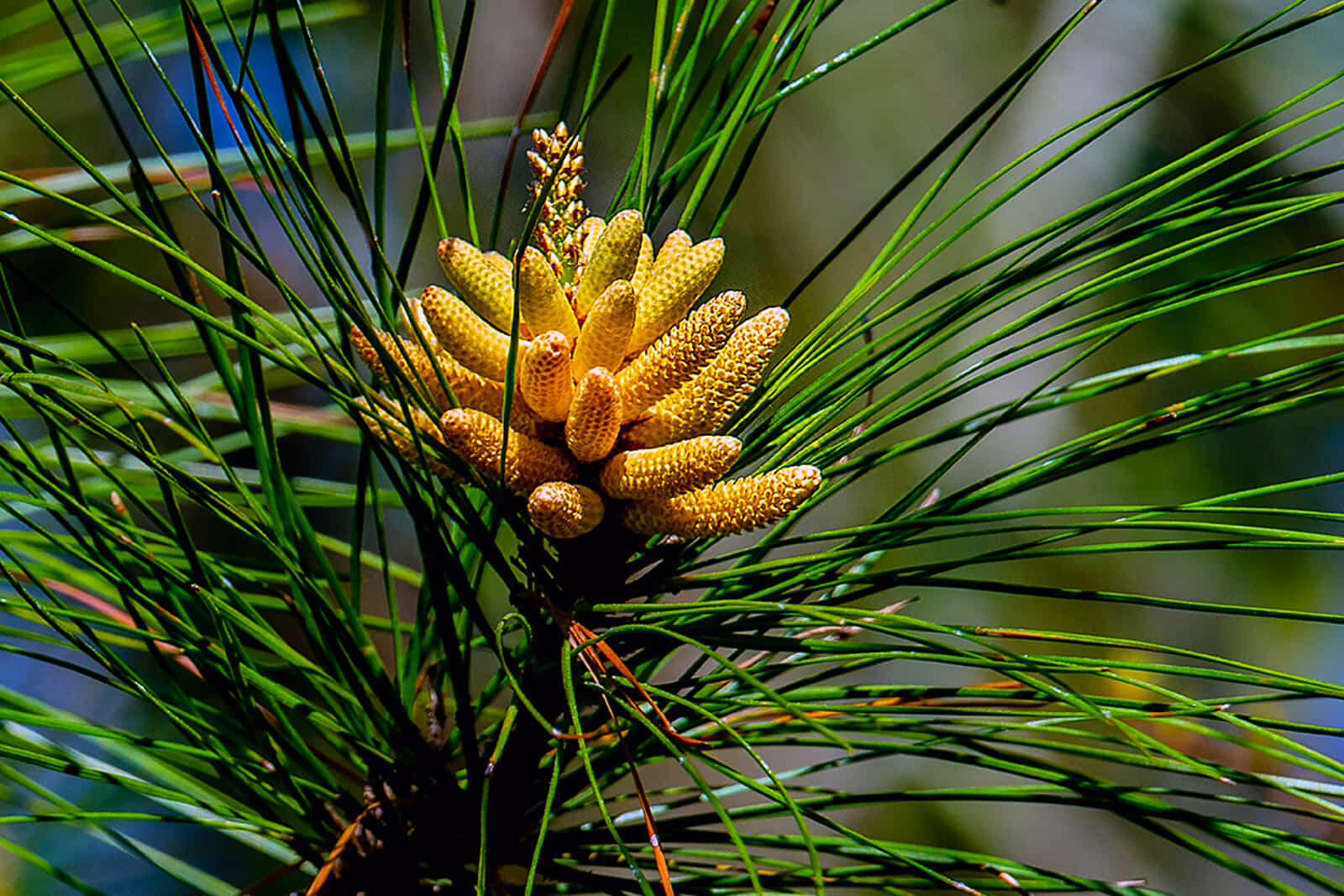 A loblolly pine
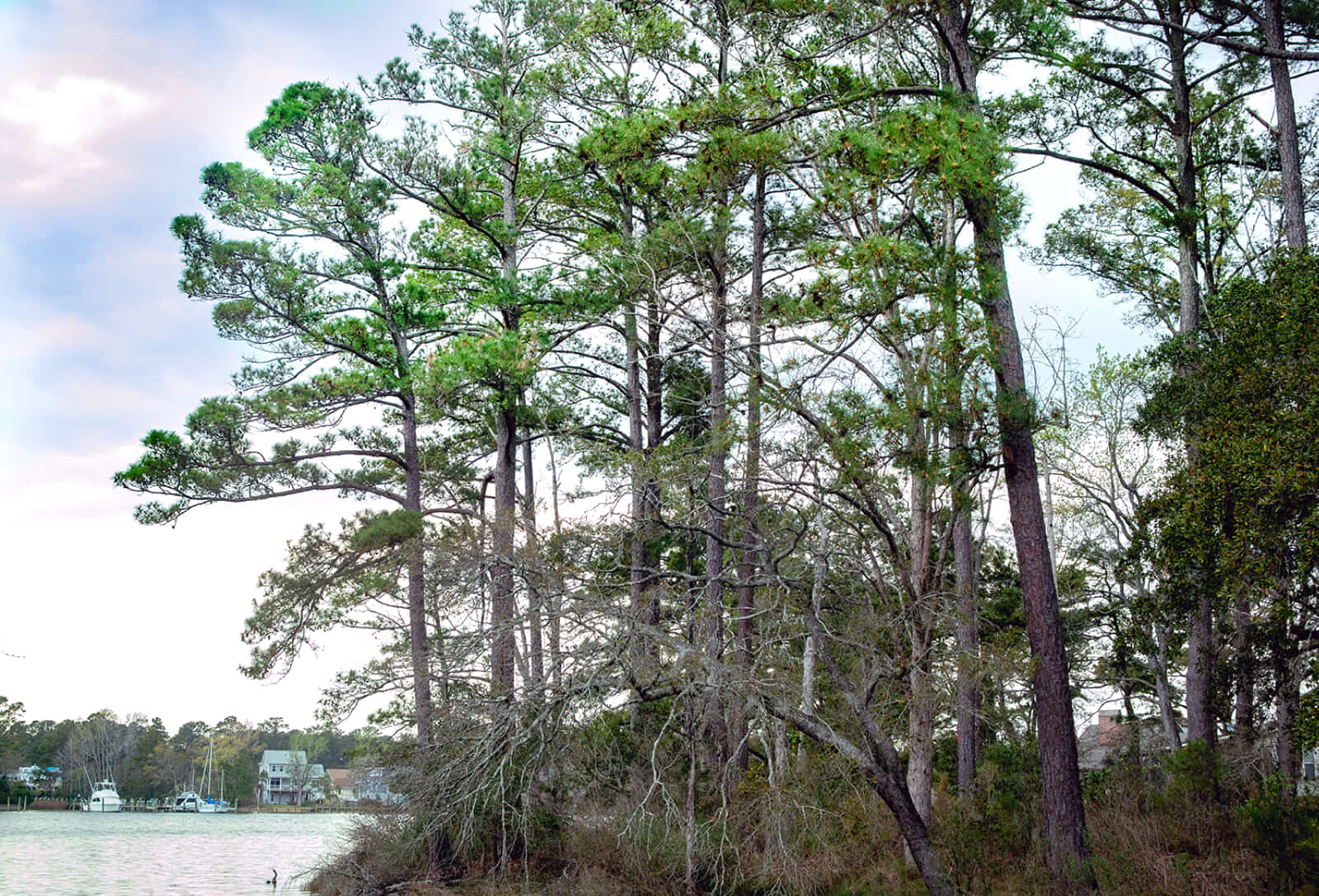 Pine trees, on the banks of Smith Creek
Producing pollen high in the tree allows the pollen to go greater distances on the wind and fertilize female cones on different individuals.
It also reduces the chance of the tree self-fertilizing. Genetically that’s a pretty good plan.
Timing is important. Pines pollinate before the deciduous trees leaf out and that increases the chance of successfully fertilizing pines further away. Oaks, maples, hickories, ash and many other kinds of wind pollinated plants are now flowering and, being wind pollinated, don’t need a conspicuous flower. The timing strategy that works for the pines also works for other wind pollinated plants.Bob MillerPine pollen is very conspicuous but is not particularly allergenic. Most allergies that people experience this time of year are from other wind pollinated plants, but these plants have very fine pollen that is hard to see.
We see the yellow pine pollen but it’s not doing a whole lot to us. It’s the pollen we don’t see that we have the most trouble with.
While pine pollen can be a bit of a nuisance, remember what we are witnessing are pine trees in love.
(story by Bob Miller, photos by Ben Casey)
Related Links:• Oriental Tree Idol – Bob Miller wins International Award

Posted Monday March 23, 2026 by Keith N. Smith

 • September 2026 - Pirate Jam 2026
• September 2026 - Joanne Lucille Ulvog, 1941 - 2026
• August 2026 - Brian James Hough, 1951 - 2026
• August 2026 - August Town Board Meeting 2026
• July 2026 - July 2026 Town Board Meeting
• July 2026 - CroakerFest 2026
• June 2026 - Thirteen Years of Silospalooza 2026
• June 2026 - June 2026 Town Board Meeting
• May 2026 - The Pig Celebrates 10 Years
• May 2026 - May 2026 Town Board Meeting
• May 2026 - NOAA's Prediction: A Below Average Hurricane Season
• April 2026 - Cycle NC 2026
• April 2026 - April Town Board Meeting 2026
• April 2026 - Zac Schnell, AI and Community Engagement
• April 2026 - The 2026 Oriental In-Water Boat Show
• September 2026 - Pirate Jam 2026
• September 2026 - Joanne Lucille Ulvog, 1941 - 2026
• August 2026 - Brian James Hough, 1951 - 2026
• August 2026 - August Town Board Meeting 2026
• July 2026 - July 2026 Town Board Meeting
• July 2026 - CroakerFest 2026
• June 2026 - Thirteen Years of Silospalooza 2026
• June 2026 - June 2026 Town Board Meeting
• May 2026 - The Pig Celebrates 10 Years
• May 2026 - May 2026 Town Board Meeting
• May 2026 - NOAA's Prediction: A Below Average Hurricane Season
• April 2026 - Cycle NC 2026
• April 2026 - April Town Board Meeting 2026
• April 2026 - Zac Schnell, AI and Community Engagement
• April 2026 - The 2026 Oriental In-Water Boat Show